(
This is not a reference to THC's mental state . . . at least in his opinion. One of the first posts on this blog was The Evolution of Dazed and Confused. Since the key embedded video in that post has been made inaccessible by YouTube and some additional information has come to THC's attention he is presenting a revised version today.)

(
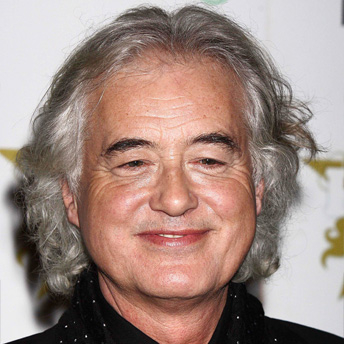
Jimmy Page from innocentwords)
Dazed And Confused from
Led Zeppelin's debut album, released in 1969, remains one of the band's most popular tunes; an epic heavy tune showcasing the guitar riffs and screeching vocals for which Zeppelin came to be
known. The song's been used in many TV shows and movies (it
even became
the title of a movie with a great cast) and was a highlight in the band's concerts. On the album the composition of the song is
credited to
Jimmy Page, Zeppelin's lead guitarist. But was Page really
the composer?
In 1967 a little known singer named
Jake Holmes released his debut album oddly entitled
"The Above Ground Sound" Of Jake Holmes. It wasn't a big seller but one of its purchasers was 16-year old THC. He liked it enough that he took the train from suburbia to see

Holmes play two shows in August and September 1967 at The Bitter End, a small club in New York City's Greenwich Village and got to sit in the first or second row. Holmes opened the August show for
Neil Diamond, just starting his solo career with the hits
Solitary Man (on which he does a fine version about 12 minutes into the video linked below),
Cherry Cherry and
Girl, You'll Be A Woman Soon. Holmes was terrific and Diamond proved to be a fine live performer. You can listen to Diamond's
set here (sorry for the bad audio quality) which includes
I'm A Believer, the huge hit Neil wrote for
The Monkees and
Kentucky Woman, soon to be released as his next hit single. A warning note - though the YouTube video says it is from The Bitter End if you listen closely it appears possible two of the songs, including Kentucky Woman, may have been edited into it from other appearances, though THC remembers him playing it in his set.

(
above and below from fondmineandsteve)

Holmes next opened for
Van Morrison whose first solo hit,
Brown Eyed Girl, was still riding high on the charts. Much of Morrison's set consisted of songs later included on his 1968 album
Astral Weeks which, for unexplainable reasons, was adored by the critics. Morrison was unbearable, wandering around the stage with his eyes closed, hands on his head, yelling unintelligible lyrics accompanied by music which was mostly boring though on occasion it rose to the level where it became irritating.
At the time THC liked much of Holmes' repertoire but having recently listened to the album most of it does not hold up well with one exception, a song called
Dazed And Confused, which stood out then and now for its weirdness and intensity. As you can hear Holmes played with an unusual band lineup - Jake on acoustic guitar, a bass, a very trebly lead guitar and no drums. You can watch Holmes playing at what seems to be The Bitter End
here. And now take a listen to Dazed And Confused by Jake Holmes.
The lyrics are different than the Zeppelin version but the melody is the same as is the basic chord structure. Even the guitar break bears some similarity. Coincidence? THC thinks not.
In August 1967, Holmes opened a show for
The Yardbirds, a British band with a lead guitarist named Jimmy Page. THC has
written about The Yardbirds before and earlier lineups featured
Eric Clapton and
Jeff Beck as guitarists.
This is the 1966 version of the band featuring both Beck and Page, playing
The Train Kept A Rollin' from Michaelangelo Antonioni's film
Blowup (one of many hit movies from the era that are unwatchable today and among
Vanessa Redgrave's first films).
The Yardbirds liked Dazed And Confused quickly incorporating it into their live set with Page embellishing the instrumental sections. Appearing on French TV in March 1968 their revamped version still had Holmes' lyrics, sung horribly by
Keith Relf, but with an arrangement sounding very much like that recorded by Zeppelin a year later. Embedding of the video from French TV is disabled by YouTube but you can
see it here.
Later that year The Yardbirds dissolved and Page started a new band, Led Zeppelin, a name bestowed by
Keith Moon, The Who's drummer, who Page was trying to recruit to join his new group. Page completed the transformation of Dazed And Confused by writing new lyrics and that's how it happened. Dazed And Confused was not the only Zeppelin song to generate controversy over its composition - if you do a google search on "
led zeppelin plagiarism" you'll come up with 89,600 hits and "
led zeppelin song stealing" yields 159,000 results.
Jake Holmes released a second album but while his performing career quickly faltered he ended up becoming quite successful. In 1969 he co-wrote the
Watertown album for
Frank Sinatra. It was Sinatra's least commercially successful album but it was, after all,
Frank Sinatra! During the 1970s Jake became a phenomenally successful jingle writer. Included among his credits are writing the music for "
Be All That You Can Be" for the US Army, "
Be a Pepper"
for Dr. Pepper, "
Best a Man Can Get" for Gillette, and "
Aren't You
Hungry for Burger King Now?" and doing the vocals on many of them.
All through these decades Jake never took action about Jimmy Page's writing credit for Dazed And Confused other than writing a letter to Led Zeppelin which was never answered. Finally in 2010 he filed a lawsuit against Page claiming copyright infringement. The case was dismissed with prejudice in 2012 (see
Order of Dismissal) but it looks like that action was part of a settlement between the parties though neither has spoken publicly about it. Shortly thereafter
Celebration Day, a Zeppelin live album, was released with the credits for Dazed And Confused reading "
Jimmy Page; inspired by Jake Holmes".
(
Jake Holmes today from Broadwayworld)

(
Jimmy Page today from local rhthyms)


 (Burnette)