Don Rickles, who passed away two years ago at the age of 90, combined the ability to comically insult and engage in ethnic, religious, and racial humor and manage to carry it off because, at his core, people realized he was a good man. Where is Rickles today, now that we need him?
Here is Rickles, a life long Democrat, at Ronald Reagan's second inauguration in January 1985.
This is Don at a mid-70s Dean Martin Celebrity Roast (yes, that used to be a thing) of Frank Sinatra. Also on the dais are Jimmy Stewart, Ronald Reagan, Red Foxx, Milton Berle, Gene Kelly, George Burns, Flip Wilson, Jonathan Winters, Orson Welles, and Peter Falk, most of whom Rickles insults along with performing an imitation of Marlon Brando as Vito Corleone.
And near the end of his life this is Don Rickles singing (I had no clue until seeing this).
Saturday, November 30, 2019

Friday, November 29, 2019
A Real Indian In Politics
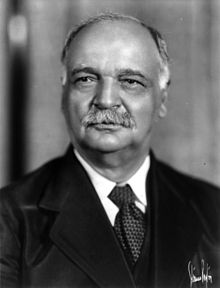
In 1928 Charles Curtis of Kansas was elected Vice-President of the United States, on the same ticket as Presidential candidate Herbert Hoover. For Curtis, who was 3/8 Indian, a member of the Kaw Tribe, and fluent in English, French, and Kaw, his heritage was an asset on the campaign trail in contrast to Democratic candidate Al Smith, whose Catholicism was a major obstacle for a large portion of the American electorate.
Born in 1860 to a mother of Kaw, Osage, Potawatomi, and French ancestry and a Scots-English-Welsh father, Curtis lived much of his early life with maternal grandparents on the Kaw reservation in Kansas (one of Curtis' ancestors was Chief White Plume of the Kaw tribe). As a teenager he lived with his paternal grandparents in Topeka where he attended high school.
After reading law Charles was admitted to the Bar in 1881 and later that decade became prosecuting attorney for Shawnee County. Gregarious, engaging, and popular Curtis soon entered politics and in 1893 was elected to Congress where he served seven terms as a representative. In 1907 he resigned in order to be appointed U.S. Senator from Kansas. In 1914 he ran in the first Kansas Senatorial election to be decided by the popular vote and won easily, being reelected in 1920 and 1926. From 1915 to 1924 Curtis served as Republican Whip and from 1925 to 1929 as Senate Majority Leader, succeeding Henry Cabot Lodge. He was considered a terrific fit for these roles because of his talent as a compromiser and mediator who could work with just about anyone.
Politically, Curtis was a Progressive Republican (as was Hoover) supporting prohibition, female suffrage, and popular election of senators.
After the Hoover-Curtis ticket was demolished by FDR in the 1932 election, Curtis remained in Washington, dying there in 1936.
Curtis' most significant legislative achievement, and in retrospect, his most controversial, was what became known as the Curtis Act, enacted in 1898. Even as a new Congressman, Curtis made an impact and was considered the most knowledgeable person in the House regarding Indian affairs. As a strong proponent of assimilation, Curtis' legislation broke up the tribal governments and communal landholdings, as well as abolishing land claims of the Five "Civilized Tribes" (Chickasaw, Cherokee, Choctaw, Creek, and Seminoles) of the Oklahoma Territory, an action which enabled the territory to achieve statehood in 1908.
The Act provided for the establishment of individual land holdings and establishment of public schools. It also allowed for the incorporation of towns.
A writer critical of the Curtis Act summarized its defects:
“The Curtis Act destroyed tribal sovereignty in Indian Territory. First, it suspended tribal laws and judicial systems. Second, it removed tribal control over assets, entrusting them instead to the secretary of the interior. Third, Congress posted an inspector in Indian Territory to supervise and, essentially, cripple the governments of the Five Tribes. Fourth, the Curtis Act provided a framework for dismantling tribal resource bases.”This has made me curious to learn more about the Curtis Act, and its predecessor, the Dawes Act, the general subject of Indian Nation sovereignty and the role of the Department of Interior. Last year I read Killers Of The Flower Moon: The Osage Murders And The Birth Of The F.B.I. which touched on these issues but I definitely need to become more familiar with the subject in order to arrive at some informed judgment. A new area of reading for me; how exciting!
Wednesday, November 27, 2019
The Longest Siege
Twenty one years . . .
On September 28, 1644 galleys of the Knights of Malta attacked an Ottoman convoy enroute from Constantinople to Alexandria. The attack was successful, the Knights seizing the Chief Black Eunuch of the Sultan's Harem and pilgrims on their way to Mecca. It was quite a haul and the Knights prepared to sell their 350 male and 30 female captives into slavery.
The Knights of Malta had been a long-time thorn in the side of the Ottoman Empire. Originating as the Knights Hospitallers in early 12th century Jerusalem. After the final loss of the Holy Land in 1291, the Knights occupied the island of Rhodes, their home for the next two centuries, from which they launched raids of plunder against the neighboring Moslem (and occasionally Christian) states. As the Ottomans began their rise in the 14th century, eventually conquering the nearby mainland and islands, Rhodes preserved its independence until Sulemain the Magnificent laid siege, forcing the Knights to leave in 1522. In 1530, Charles V of Spain granted the Knights a new home, the island of Malta, as a perpetual fief in return for an annual tribute of a Maltese Falcon. For more on the Knights read The Stuff That Dreams Are Made Of.
Putting ashore on the nearby Venetian province of Crete, the Knights sent ashore a number of captives and slaves and then sailed away.

In 1644 the Ottomans remained masters of the Eastern Mediterranean. By then the Ottomans and Christian Europe found themselves in the middle of a long stalemate. Two centuries of Ottoman success against Christian states had been brought to a halt with the failed siege of Malta in 1565 and the destruction of the Ottoman fleet by a temporary Christian alliance at the Battle of Lepanto in 1571. Since then, periodic wars had broken out but frontiers were fairly stable, the only significant differences being in the Ukraine and southern Poland where the Ottomans added territory. The stalemate was to end with the Grand Turk's unsuccessful siege of Vienna in 1683 and the Christian counterattack on the heels of the withdrawing Ottoman army.
While Venice still ruled the island of Crete, the lagoon bound state was on the decline. It had lost most of his advantageous trading rights within Ottoman territory along with the island of Cyprus and many smaller islands, as well as its outposts in Greece. And with the New World discovered and new trading routes to the East, its commercial dominance was fading. Venice had ruled Crete since 1205, the Catholic Venetians treating the Orthodox Cretans with contempt, inspiring many revolts by the local inhabitants.
At the Ottoman Court many saw this as an opportunity to evict Venice from Crete, the last Christian outpost in the Eastern Mediterranean. In the spring of 1645, a large Ottoman fleet left Constantinople, its destination a mystery but with rumors flying ahead of it that Malta was its target. The rumors had been deliberately planted by the Ottomans. On June 23, 1645 the Venetians were surprised to find the Ottoman fleet anchored off the Cretan coast. Landing on the island, the Ottomans began their conquest.
By May 1648 all of the island, with the exception of its capital, Candia (now Heraklion), was occupied by the Turks and an estimated 40% of the island's population had perished. That month the Ottoman army began its siege and blockade of Candia, which was to last until 1669.

What accounted for the length of the siege? For the Ottomans there were many distractions. Other wars, particularly in Hungary and Transylvania diverted resources. Venetian fleets periodically blockaded the Dardanelles, the narrow strait leading to the Sea of Marmara and Constantinople. Raids by Christian fleets in the Aegean further disrupted Ottoman supply lines. Finally, it was a period of intense court intrigues and coups at the Ottoman court. The net result was the Ottomans were able to sustain a force large enough to maintain the siege but not strong enough to assault the city.
In 1664 the Ottomans negotiated a temporary peace with the Hapsburgs and were able to turn their attention and resources back to Crete. In early 1668 a large Ottoman army landed on the island to join the blockade force. European powers also sent aid to the Venetians, 6,000 soldiers from France and smaller contingents from Savoy, Malta, Naples and the Papal States. Encourage by the support the Venetians turned down an Ottoman peace offer under which they would have retained half the island.
Actions in the summer of 1669 sealed Candia's fate. A fleet sent by France met disaster with its flagship exploding leading to the withdrawal of France's troops. The remaining garrison of Candia was reduced to 3,600 men and on September 5 Francesco Morosini, commander of the garrison, surrendered.
The cost of the final two years of the siege was enormous with more than 100,000 Ottomans and 29,000 Christians dying.
It was to be the last major territorial expansion of the Ottoman Empire. Crete remained under Ottoman rule until 1897.
What must have it been like to be part of the siege? If you were born in Candia in 1648 you would have lived your entire youth while under siege. Reading about the siege reminds me of The Adventures of Baron Munchausen, the loony 1988 tale of an endless siege of a city on the sea by the army of the Grand Turk.
On September 28, 1644 galleys of the Knights of Malta attacked an Ottoman convoy enroute from Constantinople to Alexandria. The attack was successful, the Knights seizing the Chief Black Eunuch of the Sultan's Harem and pilgrims on their way to Mecca. It was quite a haul and the Knights prepared to sell their 350 male and 30 female captives into slavery.
The Knights of Malta had been a long-time thorn in the side of the Ottoman Empire. Originating as the Knights Hospitallers in early 12th century Jerusalem. After the final loss of the Holy Land in 1291, the Knights occupied the island of Rhodes, their home for the next two centuries, from which they launched raids of plunder against the neighboring Moslem (and occasionally Christian) states. As the Ottomans began their rise in the 14th century, eventually conquering the nearby mainland and islands, Rhodes preserved its independence until Sulemain the Magnificent laid siege, forcing the Knights to leave in 1522. In 1530, Charles V of Spain granted the Knights a new home, the island of Malta, as a perpetual fief in return for an annual tribute of a Maltese Falcon. For more on the Knights read The Stuff That Dreams Are Made Of.
Putting ashore on the nearby Venetian province of Crete, the Knights sent ashore a number of captives and slaves and then sailed away.
In 1644 the Ottomans remained masters of the Eastern Mediterranean. By then the Ottomans and Christian Europe found themselves in the middle of a long stalemate. Two centuries of Ottoman success against Christian states had been brought to a halt with the failed siege of Malta in 1565 and the destruction of the Ottoman fleet by a temporary Christian alliance at the Battle of Lepanto in 1571. Since then, periodic wars had broken out but frontiers were fairly stable, the only significant differences being in the Ukraine and southern Poland where the Ottomans added territory. The stalemate was to end with the Grand Turk's unsuccessful siege of Vienna in 1683 and the Christian counterattack on the heels of the withdrawing Ottoman army.
While Venice still ruled the island of Crete, the lagoon bound state was on the decline. It had lost most of his advantageous trading rights within Ottoman territory along with the island of Cyprus and many smaller islands, as well as its outposts in Greece. And with the New World discovered and new trading routes to the East, its commercial dominance was fading. Venice had ruled Crete since 1205, the Catholic Venetians treating the Orthodox Cretans with contempt, inspiring many revolts by the local inhabitants.
At the Ottoman Court many saw this as an opportunity to evict Venice from Crete, the last Christian outpost in the Eastern Mediterranean. In the spring of 1645, a large Ottoman fleet left Constantinople, its destination a mystery but with rumors flying ahead of it that Malta was its target. The rumors had been deliberately planted by the Ottomans. On June 23, 1645 the Venetians were surprised to find the Ottoman fleet anchored off the Cretan coast. Landing on the island, the Ottomans began their conquest.
By May 1648 all of the island, with the exception of its capital, Candia (now Heraklion), was occupied by the Turks and an estimated 40% of the island's population had perished. That month the Ottoman army began its siege and blockade of Candia, which was to last until 1669.
What accounted for the length of the siege? For the Ottomans there were many distractions. Other wars, particularly in Hungary and Transylvania diverted resources. Venetian fleets periodically blockaded the Dardanelles, the narrow strait leading to the Sea of Marmara and Constantinople. Raids by Christian fleets in the Aegean further disrupted Ottoman supply lines. Finally, it was a period of intense court intrigues and coups at the Ottoman court. The net result was the Ottomans were able to sustain a force large enough to maintain the siege but not strong enough to assault the city.
In 1664 the Ottomans negotiated a temporary peace with the Hapsburgs and were able to turn their attention and resources back to Crete. In early 1668 a large Ottoman army landed on the island to join the blockade force. European powers also sent aid to the Venetians, 6,000 soldiers from France and smaller contingents from Savoy, Malta, Naples and the Papal States. Encourage by the support the Venetians turned down an Ottoman peace offer under which they would have retained half the island.
Actions in the summer of 1669 sealed Candia's fate. A fleet sent by France met disaster with its flagship exploding leading to the withdrawal of France's troops. The remaining garrison of Candia was reduced to 3,600 men and on September 5 Francesco Morosini, commander of the garrison, surrendered.
The cost of the final two years of the siege was enormous with more than 100,000 Ottomans and 29,000 Christians dying.
It was to be the last major territorial expansion of the Ottoman Empire. Crete remained under Ottoman rule until 1897.
What must have it been like to be part of the siege? If you were born in Candia in 1648 you would have lived your entire youth while under siege. Reading about the siege reminds me of The Adventures of Baron Munchausen, the loony 1988 tale of an endless siege of a city on the sea by the army of the Grand Turk.
Tuesday, November 26, 2019
Sittin' On Top Of The World
An old blues standard covered by everyone in the years since 1930. Most famous version is by Howlin' Wolf (1957) which was the basis for the cover by Cream on its Disraeli Gears album (1967).
This is by some guy named Ger O'Donnell with a "famous family band from Missouri" which is not named!
(UPDATE: Just found out the band is The Petersens.)
This is by some guy named Ger O'Donnell with a "famous family band from Missouri" which is not named!
(UPDATE: Just found out the band is The Petersens.)
Sunday, November 24, 2019
Ford v Ferrari
Fast cars. 24 hours at LeMans. Matt Damon. Christian Bale. I think that about covers it. Go see it.
Saturday, November 23, 2019
Subscribe to:
Posts (Atom)